
Furnace or Heat Pump: Which is better for CT in 2026?
For Connecticut's climate, a Hybrid Dual-Fuel System is the most cost-effective choice. This system pairs an electric cold-climate heat pump (for efficiency above 30°F) with a high-efficiency gas furnace (for reliability during sub-zero freezes). This setup maximizes Energize CT rebates while providing the lowest monthly operating cost.
Connecticut homeowners are at a crossroads. With local heating oil prices remaining volatile and state-mandated carbon reduction goals driving new incentives, the decision to replace a boiler or furnace is now a high-stakes financial move. At TruComfort, we believe an informed homeowner is our best customer. Let’s dive into the technical reality of heating in New England.
The Gas Furnace: The "Old Faithful" of the North
Natural gas furnaces are prized for their discharge air temperature. In a Southington January, a gas furnace will put out air between 120°F and 140°F. This "hot" heat is what many homeowners prefer when coming in from the snow.
Modulating vs. Single-Stage
The "thin" blogs tell you to buy a new furnace. The authority advice is to look at Modulating Burners. A standard furnace is either 100% on or 100% off. A modulating furnace, like the high-efficiency units we install, can run at 40% capacity on a 45-degree day, preventing the "stratification" (hot and cold spots) common in Cheshire historic homes.
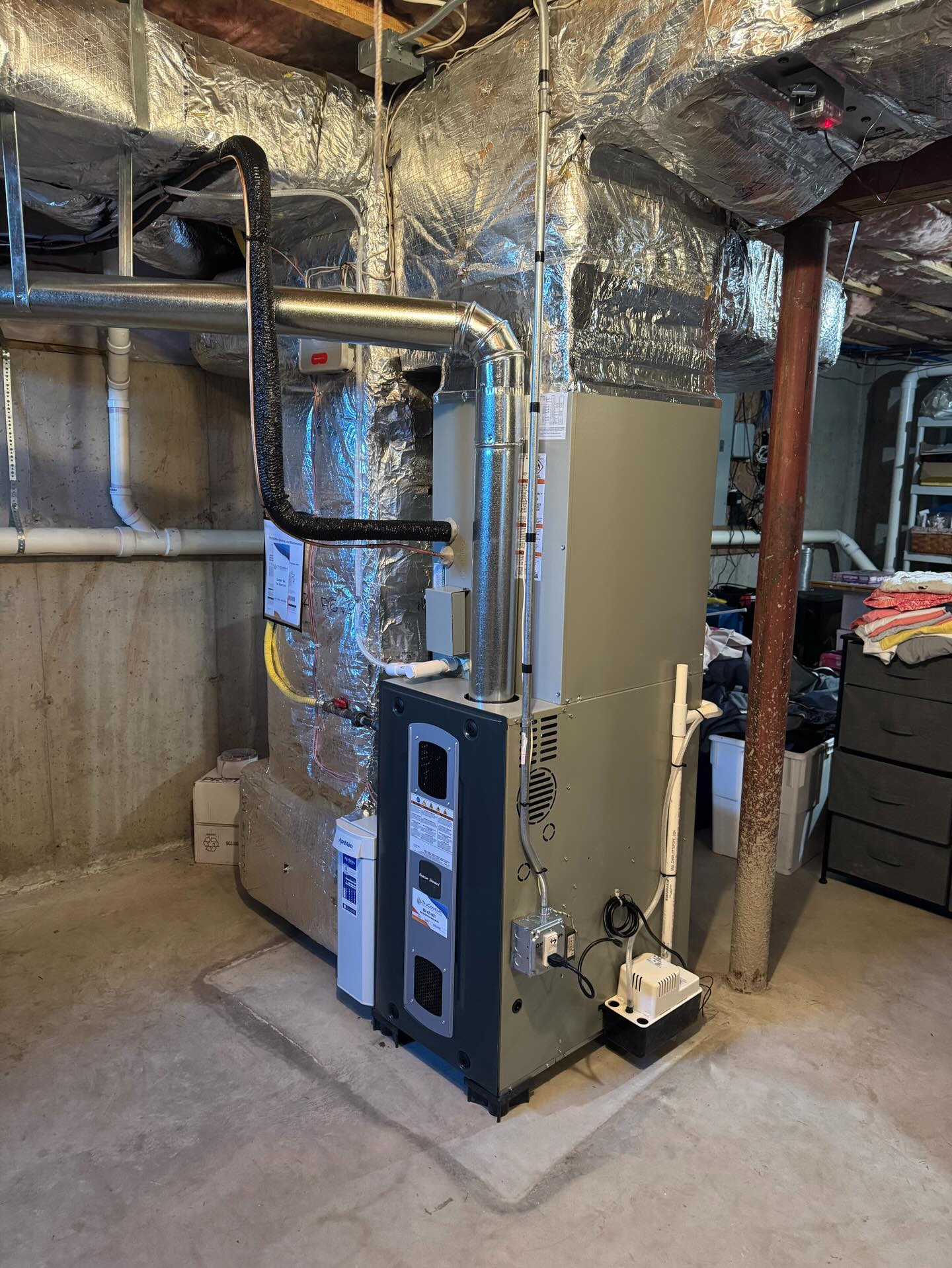
A clean 96%+ AFUE installation. Notice the PVC venting required for high-efficiency condensing units.
Heat Pumps: The Efficiency Powerhouse
A Heat Pump doesn't burn fuel to create heat; it uses electricity to extract heat from the outside air. Even at 10°F, there is thermal energy in the air. Modern "Cold Climate" heat pumps use **Enhanced Vapor Injection (EVI)** to maintain capacity when the temperature drops.
The ROI of the Switch:
- The $2,000 Tax Credit: Under the Federal Inflation Reduction Act, you can claim 30% of the project cost (up to $2k) every year.
- Eversource Savings: When outside temps are between 35°F and 55°F, a heat pump is roughly 3x cheaper to run than an oil or propane boiler.
- Dehumidification: Because it’s also an AC, it provides superior humidity control in the "shoulder" seasons.
The Hybrid "Dual-Fuel" Strategy
This is where we see the most value for our customers. We install a high-efficiency heat pump as the primary source. It handles the cooling in the summer and the heating for 80% of the winter. However, we leave a gas furnace (or install a new one) as the "backup."
When the temperature drops below the **economic balance point** (the temperature where electricity becomes more expensive than gas), the system automatically flips to gas. You get the best of both worlds: extreme efficiency and "Arctic-proof" reliability.
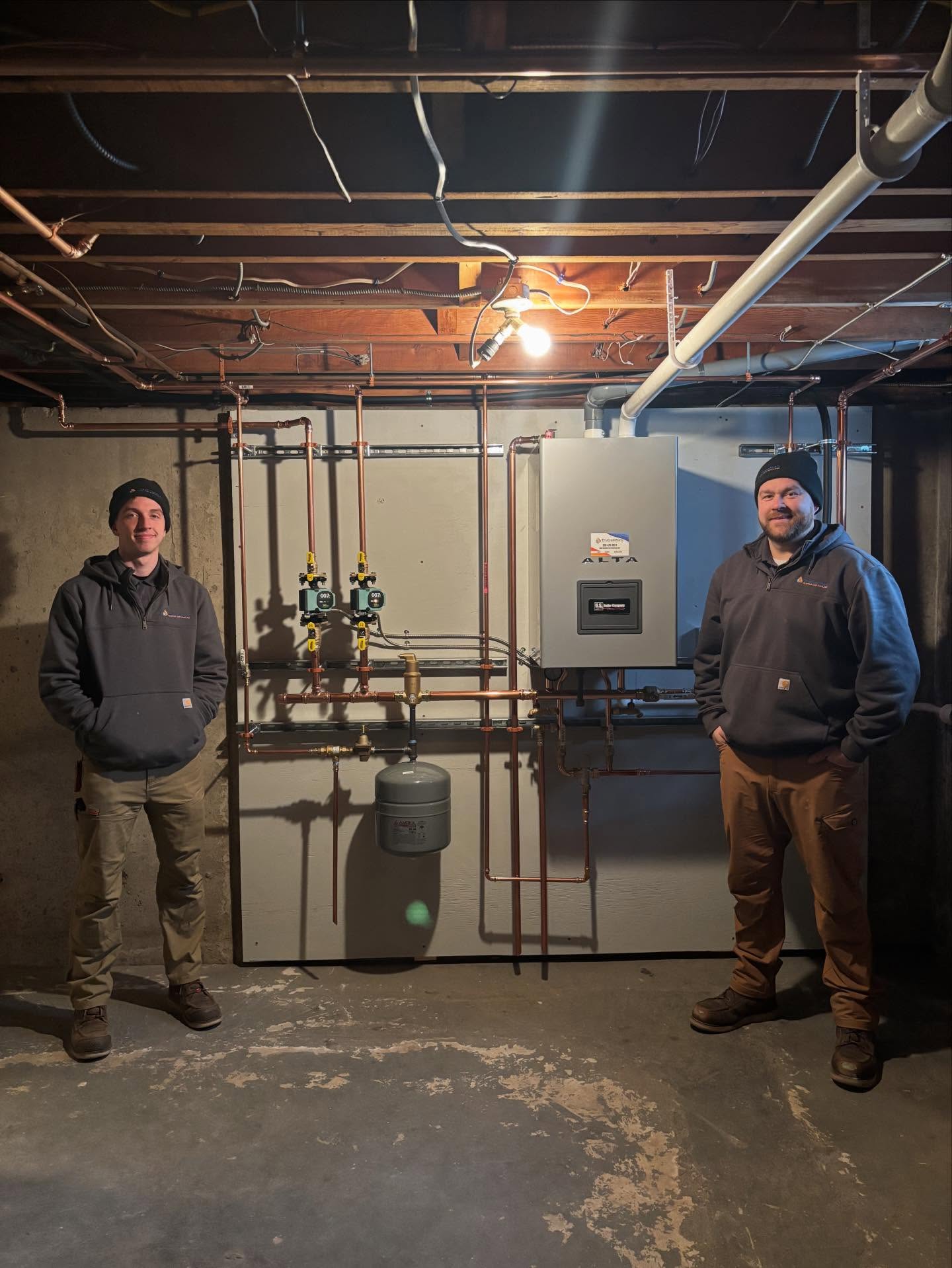
Your Local Rebate Experts
Navigating Energy Star and Energize CT paperwork is a headache. As a local Southington company, TruComfort handles the technical verification and load calculations required by the state to ensure your rebates are paid out. Don't leave $10,000 on the table because of a paperwork error.